ABDOMINAL PAIN: Anatomical & Pathophysiological Dissection
Abdominal pain is a masterclass in topographic diagnosis. The location of the pain is the single most important clue, as the abdomen houses multiple organ systems in a tightly packed space. Let us dissect it.
Dr.Muhammad Asif Malik
12/27/20254 min read
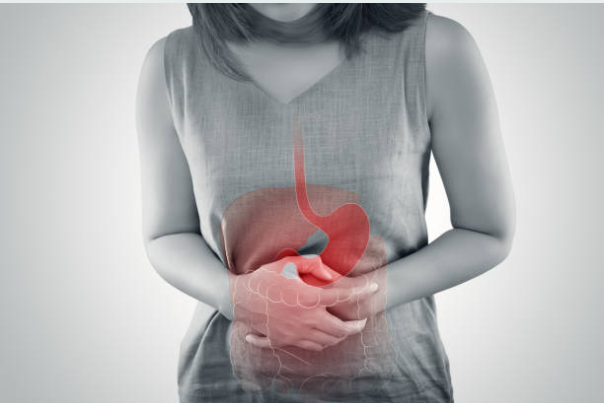
Initial Impression & Probable Syndromes
Abdominal pain forces an immediate anatomical localization, which points to the involved organ system:
Visceral Pain Syndrome: From the internal organs (hollow viscera or capsule of solid organs). Dull, crampy, poorly localized.
Parietal (Somatic) Pain Syndrome: From irritation of the parietal peritoneum. Sharp, well-localized, aggravated by movement.
Referred Pain Syndrome: Pain felt at a distance from the diseased organ, due to shared embryonic dermatomes.
The "Mental List": The Criticality of Each Descriptor
QuestionWhat It AsksWhy It's Critically ImportantPathophysiological Link
1. LOCATION (The Map)Where exactly did it start? Where is it now?The primary diagnostic filter. The abdomen is divided into quadrants and epigastric/umbilical/suprapubic regions, each with a specific differential.Pain is initially felt in the midline corresponding to the organ's embryonic origin (e.g., foregut=epigastrium). Migration of pain (e.g., periumbilical → RLQ) is a classic sign of parietal peritoneal involvement (e.g., appendicitis).
2. CHARACTERWhat does it feel like?Differentiates the type of pathology.Colicky (crampy, waxing/waning): Obstructed hollow viscus (gut, ureter, bile duct). Burning: Mucosal inflammation (esophagitis, gastritis). Constant, dull ache: Solid organ distension (liver capsule stretch), ischemia, or inflammation. Sharp, stabbing: Peritoneal irritation ("peritonitis").
3. RADIATIONDoes it travel anywhere?A classic signature for specific diseases.Follows the sensory innervation of the affected organ. Right scapula: Gallbladder. Left shoulder: Spleen (Kehr's sign). Groin: Ureter. Back: Pancreas, Aortic Aneurysm.
4. PROVOCATION / PALLIATIONWhat makes it better or worse?Reveals the inflammatory or mechanical nature.Worsened by movement/jarring: Peritonitis. Relieved by leaning forward: Pancreatitis. Relieved by vomiting: Gastric outlet obstruction. Relation to meals: Biliary colic (fatty food), peptic ulcer (food may improve or worsen).
5. ASSOCIATED SYMPTOMSWhat else is happening?Identifies systemic involvement and complications.Fever & chills: Infection/inflammation (cholangitis, diverticulitis). Jaundice: Hepatobiliary. Blood (hematemesis, melena, hematochezia): GI bleeding. Obstipation/vomiting: Bowel obstruction. Genitourinary symptoms: Urological/gynecological cause.
Deep Dive: The Anatomical Map & Classic Presentations
This is where pattern recognition is everything. Here is the "mental map" I use:
RegionKey OrgansClassic "Must Not Miss"
DiagnosesTypical Character & Associations
Right Upper Quadrant (RUQ)Liver, Gallbladder, Hepatic flexure, Duodenum, Head of Pancreas, R. Lung/ Pleura.
Acute Cholecystitis, Biliary Colic, Hepatitis, Perforated Duodenal Ulcer.Colicky or constant RUQ pain. Radiates to right scapula.
Worse with fatty foods. +Fever/chills = cholangitis.
EpigastricStomach, Duodenum, Pancreas, Aorta, Heart.
Acute Pancreatitis, Perforated Peptic Ulcer, MI (inferior wall), Aortic Dissection.Burning or boring pain. Radiates through to the back (pancreatitis). Relieved by leaning forward.Left Upper Quadrant (LUQ)Spleen, Splenic flexure, Tail of Pancreas, L. Lung/Pleura, Stomach.Splenic Rupture (trauma), Infarct, Gastritis, Pancreatitis.Sharp, constant. Radiates to left shoulder (Kehr's sign - splenic pathology).PeriumbilicalSmall Intestine, Appendix (early), Aorta.Early Appendicitis, Small Bowel Obstruction, Mesenteric Ischemia, Aortic Aneurysm.Poorly localized, crampy visceral pain. Migration to RLQ is the hallmark of appendicitis.Right Lower Quadrant (RLQ)Appendix, Cecum, Terminal Ileum, R. Ovary/Tube, R. Ureter.Acute Appendicitis, Crohn's Ileitis, Ectopic Pregnancy, Ovarian Torsion/Cyst.Constant, sharp somatic pain. McBurney's point tenderness. +Rebound/guarding = peritonitis.Left Lower Quadrant (LLQ)Sigmoid Colon, Diverticula, L. Ovary/Tube, L. Ureter.Acute Diverticulitis, Colonic Obstruction, Ectopic Pregnancy, Ovarian Pathology.Constant pain. Often associated with change in bowel habits (constipation/diarrhea).Suprapubic / PelvicBladder, Uterus, Ovaries, Tubes, Sigmoid Colon.Cystitis, PID, Endometriosis, Ruptured Ovarian Cyst.Pressure, cramping. Associated with urinary (frequency, dysuria) or gynecological (menstrual irregularities, discharge) symptoms.Diffuse / GeneralizedPeritoneum, Bowel (diffuse), Metabolic/Systemic.Generalized Peritonitis, Gastroenteritis, Bowel Obstruction (late), Diabetic Ketoacidosis.Severe, constant. Patient lies still (peritonitis). Crampy with diarrhea/vomiting (gastroenteritis).
In my experience, the story of pain migration is paramount. A young man describing a vague central belly ache that settled into a sharp, unwavering pain in his right lower quadrant over 12 hours is telling you the story of acute appendicitis before you even examine him. Conversely, an elderly diabetic with vague, diffuse pain and minimal tenderness may be hiding catastrophic mesenteric ischemia—a true surgical emergency that presents with "pain out of proportion to exam."
Schematic Diagnostic Approach ("The Clinic Workup")
First Visit (Bedside/Clinic):
History: Detailed LOCATION, migration, character. Ask about red flags: Fever, unexplained weight loss, hematemesis/melena, nocturnal pain, jaundice.
Physical Exam: Inspection (scars, distension), Auscultation (silent abdomen in ileus/peritonitis, hyperactive in obstruction), Palpation (start away from pain, assess for guarding/rigidity/rebound tenderness). Digital Rectal Exam is mandatory for LLQ pain/Rectal bleeding. Pelvic exam in women of childbearing age.
Basic Bedside Tests: Urine dipstick (for infection, blood), pregnancy test (for any woman of childbearing age).
Basic Labs/Imaging (Cost-Effective First Tier):
Labs: CBC with diff (WBC for inflammation), Amylase/Lipase (pancreatitis), LFTs (hepatobiliary), Urinalysis.
Imaging: Ultrasound Abdomen/Pelvis is first-line for RUQ/RLQ/LLQ/Pelvic pain (gallstones, appendicitis, ovarian pathology). Erect Chest X-Ray (for free air under diaphragm - perforation). KUB (for obstruction).
Secondary/Specialist-Driven Tests:
CT Abdomen/Pelvis with Contrast: The definitive study for undifferentiated acute abdominal pain. Shows appendicitis, diverticulitis, obstruction, masses, aortic aneurysm.
Endoscopy/Colonoscopy: For suspected mucosal disease, GI bleeding.
Diagnostic Laparoscopy: When imaging is inconclusive but clinical suspicion remains high.
Principles of Management
Non-Pharmacological: NPO (Nil Per Os - nothing by mouth) if surgical cause is suspected. IV fluid resuscitation.
Pharmacological:
Analgesia: Do not withhold analgesia for fear of masking symptoms. This is an outdated dogma. Provide adequate pain relief (e.g., IV opioids) once history and exam are documented.
Cause-specific: Antibiotics for infections (e.g., diverticulitis, cholangitis), PPIs for PUD/GERD, antispasmodics.
Referral Threshold: Immediate surgical referral for: Peritonitis (rigid abdomen, rebound), Visceral perforation (free air), Bowel obstruction (distension, vomiting, obstipation), Ischemic bowel (pain out of proportion), Ruptured AAA (pulsatile mass, hypotension). Refer to GI for chronic/recurrent pain with alarm symptoms.
Clinical Pearls & Caveats
A Pearl: "The clock is the best diagnostician in abdominal pain." Inflammatory conditions (appendicitis, cholecystitis) progress over hours. Colicky pain that becomes constant suggests complication (e.g., stone impacting → cholecystitis). Always ask, "How has the pain changed since it started?"
A Caveat: The elderly, immunocompromised, and diabetic patients often present with blunted or atypical symptoms. They may have advanced peritonitis with only mild tenderness and low-grade fever. A normal WBC does not rule out surgical pathology in these groups.
The Long View: For chronic abdominal pain (Irritable Bowel Syndrome, Functional Dyspepsia), the goal shifts from cure to management. Building a trusting therapeutic relationship, explaining the gut-brain axis, and employing a biopsychosocial approach are more important than endless negative tests.
In essence, abdominal pain diagnosis is a geographical and temporal puzzle. You are the cartographer plotting the pain's location, character, and migration against the map of internal organs and the timeline of disease progression.
Dr. Asif Malik,
Help
24/7 AI symptom checker and doctor booking
Contact
Connect
apnaonlinedoctor@gmail.com
+92-300-6331968
© 2026. All rights reserved.